In this auspicious occasion, we are delighted to delve into the intriguing topic related to 2025 Battery Target: A Comprehensive Overview. Let’s weave interesting information and offer fresh perspectives to the readers.

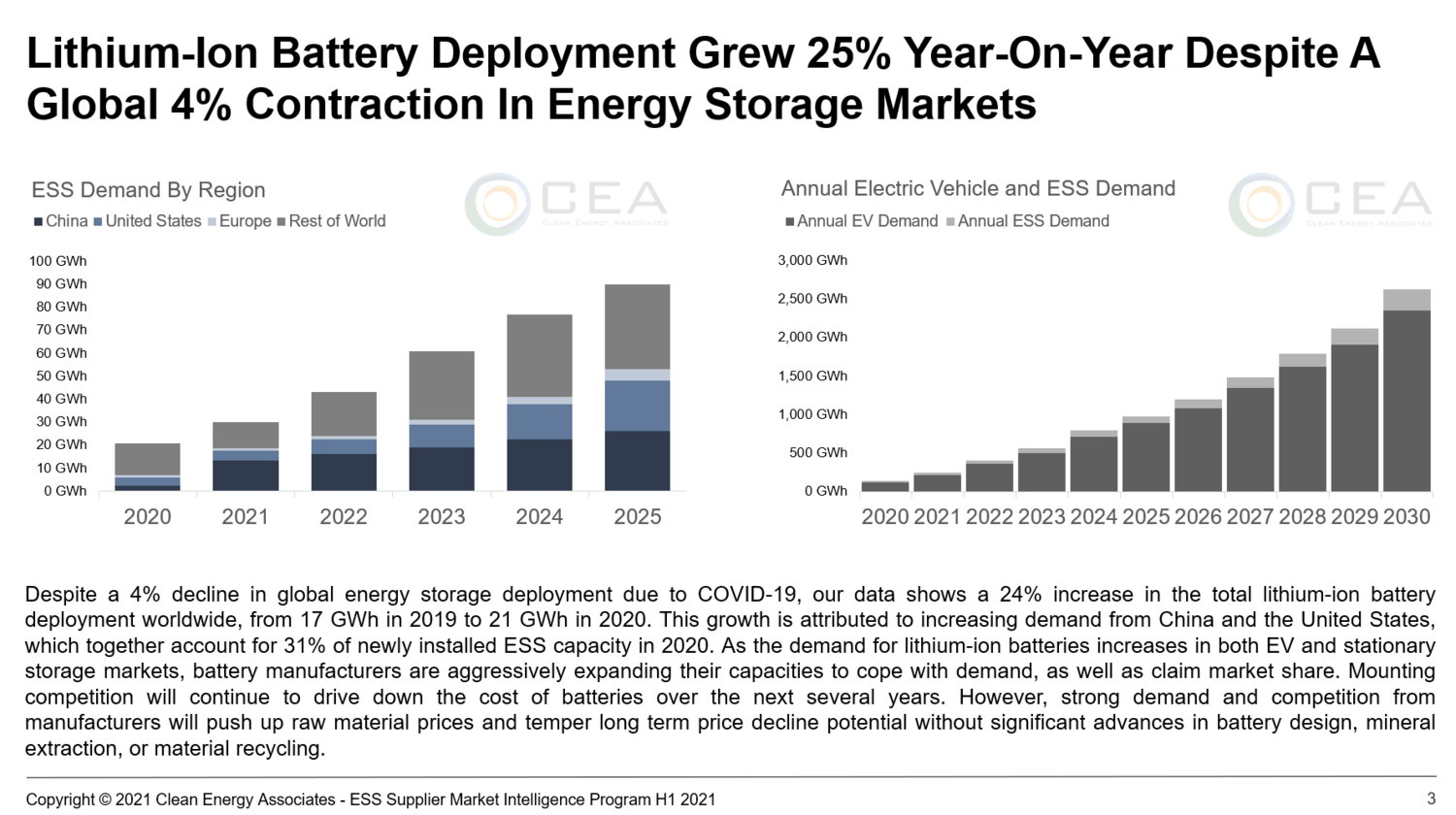
The world is rapidly transitioning towards a clean energy future, and batteries play a crucial role in this transition. They are essential for powering electric vehicles, storing renewable energy, and providing backup power for critical infrastructure. To meet the growing demand for batteries, the automotive and energy industries have set ambitious targets for battery development and production. One of the most significant of these targets is the 2025 battery target.
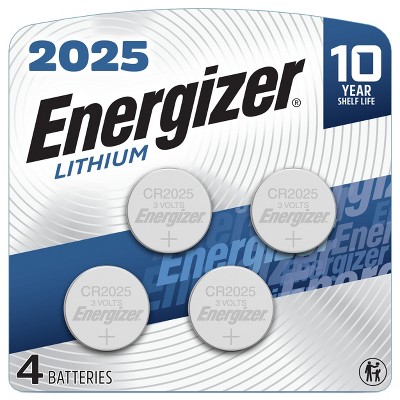
The 2025 battery target is a goal set by the automotive industry to achieve a significant reduction in the cost of lithium-ion batteries. The target is to reduce the cost of battery packs to $100 per kilowatt-hour (kWh) by 2025. This would represent a substantial decrease from the current cost of around $200/kWh.

The rationale for the 2025 battery target is to make electric vehicles (EVs) more affordable and competitive with gasoline-powered vehicles. The cost of batteries is a major barrier to EV adoption, and reducing the cost would make EVs more accessible to consumers. Additionally, reducing the cost of batteries would make it more feasible to store renewable energy on a large scale, which is essential for decarbonizing the electricity grid.
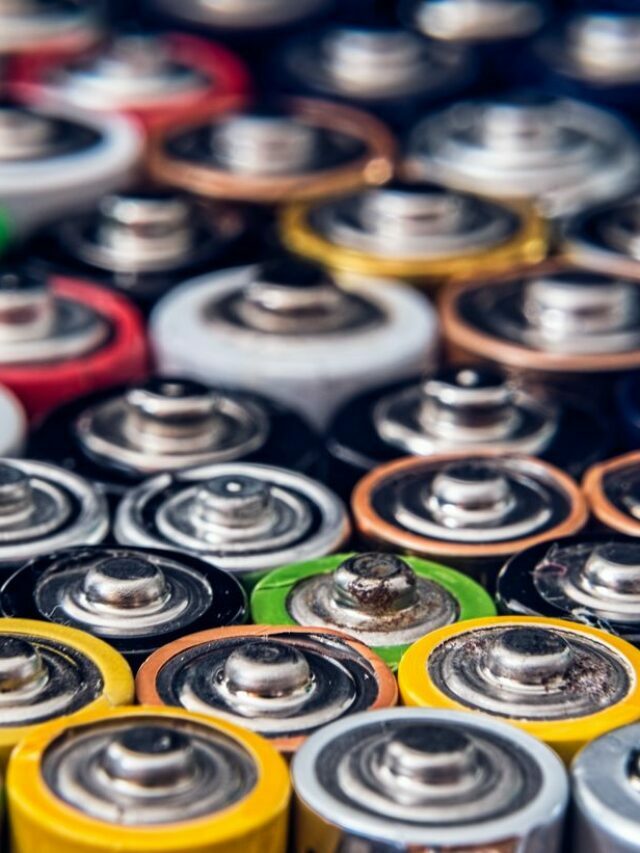
Achieving the 2025 battery target is a significant challenge. There are a number of technical and economic hurdles that need to be overcome.

Despite the challenges, there has been significant progress towards achieving the 2025 battery target.
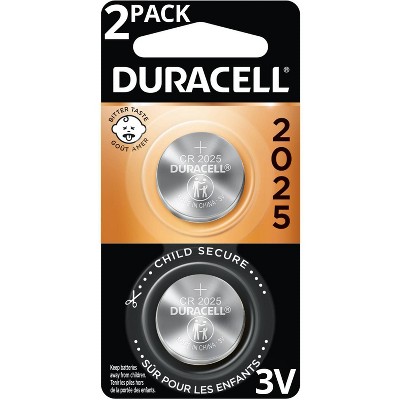
The 2025 battery target is a critical milestone in the transition to a clean energy future. Achieving the target would significantly reduce the cost of batteries, making EVs more affordable and renewable energy storage more feasible. The challenges are significant, but the progress made to date suggests that the target is achievable.

In addition to the 2025 battery target, there are a number of other battery targets that have been set by different organizations.

There are a number of different battery technologies that are being developed to meet the 2025 battery target.
Battery recycling is an important part of the battery supply chain. Batteries contain valuable materials that can be recycled and reused.


Thus, we hope this article has provided valuable insights into 2025 Battery Target: A Comprehensive Overview. We thank you for taking the time to read this article. See you in our next article!